Cancer Research UK Beer Goggles Dryathlon Film 2014
Cancer Research UK's Beer Goggles is a 2014 public interest film produced for the charity's Dryathlon campaign, inviting audiences across the United Kingdom to abstain from alcohol throughout January and raise money to help beat cancer sooner.
Published in December 2014, Beer Goggles arrived as a recruitment film for Dryathlon, a participatory fundraising initiative built on the growing cultural habit of going alcohol-free in January. The campaign's central message was direct: throw away the beer goggles and sign up to Dryathlon. No alcohol. The motivation was equally plain — to raise money for Cancer Research UK and bring forward the moment cancer is beaten. Rather than relying on the charity sector's default register of emotional appeal, Beer Goggles adopted a comedic, socially observational tone, using the beer goggles metaphor as both a creative hook and a behavioural nudge. The campaign contained a single film asset and was distributed in the United Kingdom. The Clapboard Score for Beer Goggles is 63 out of 100, reflecting a campaign that executes its participatory brief with clarity and wit but operates at a scale and reach that limits its measurable footprint. Ed Aspel, Head of Innovation Delivery at Cancer Research UK, stated in Marketing Week that Dryathlon was designed to appeal to a different audience from many of the charity's other campaigns — a segment already inclined to go dry in January who needed a motivating social and competitive reason to commit publicly and fundraise while doing so.
Cancer Research UK built Dryathlon on a sharp consumer insight: a meaningful proportion of the United Kingdom public already attempts some form of alcohol-free January without a formal structure or fundraising purpose. Ed Aspel, Head of Innovation Delivery at Cancer Research UK, stated in Marketing Week that by wrapping that existing behaviour in a challenge mechanic, the charity could unlock a donor segment that did not naturally engage with its more emotionally intensive campaigns. Beer Goggles was the creative execution that made that positioning tangible and shareable.
The strategic choice to lead with comedy rather than pathos was deliberate. Charity advertising in the United Kingdom in 2014 was a competitive environment for attention and donations. Cancer Research UK itself reported fundraising income of approximately £490 million in 2013/14, up 6% year on year, according to thirdsector.co.uk. Macmillan Cancer Support, a direct competitor in the cancer charity space, increased its fundraising income by 22% in 2013 to reach £187 million and was targeting approximately £209 million in 2014, also according to thirdsector.co.uk. Against that backdrop, differentiation through tone was as important as differentiation through proposition. Anthony Newman, Director of Marketing at Cancer Research UK, noted that giving up alcohol and taking part in Dryathlon would genuinely make a difference to cancer research funding. Beer Goggles communicated that case with lightness of touch — rooting the ask in everyday social life rather than in clinical urgency — and used the beer goggles metaphor to frame sobriety not as sacrifice but as clarity.
Martin Rich directed Beer Goggles. Hoot Comedy served as writer and producer on the film. Together they brought a social-experiment sensibility to the brief, using the beer goggles device as a comedic lens on how alcohol distorts ordinary judgment and social perception.
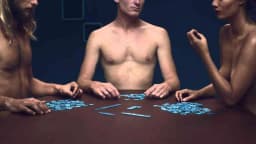
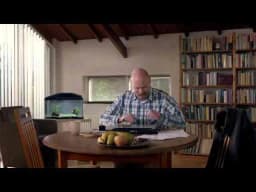
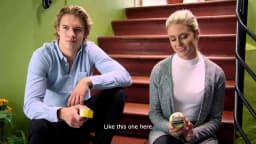
On screen, Beer Goggles uses the central metaphor literally and figuratively to stage recognisable scenarios in which the absence of alcohol — and therefore the absence of distorted perception — changes how situations read. The film presents everyday moments in a way that makes the case for a sober January feel like common sense rather than self-denial, translating the charity's fundraising proposition into something that sits closer to observational comedy than to public health messaging. The tone is consistent with the Hoot Comedy house style: dry, knowing, and grounded in the kind of social truths that travel readily on digital platforms without requiring heavy media spend to reach their audience.
The Beer Goggles film operated as a single-asset campaign within Cancer Research UK's broader Dryathlon communications. It borrowed the charity's established brand platform — associated with the promise of helping beat cancer sooner, as noted in connection with AMV BBDO's work on the masterbrand, documented at campaignlive.co.uk — while converting that platform language into a participatory fundraising proposition aimed at a younger, socially connected demographic in the United Kingdom. No award wins for Beer Goggles were found across the Cannes Lions, Effies, One Show, D&AD, Clios, Webby Awards, or WARC Awards.
No verified campaign-specific performance data for Beer Goggles — including views, sign-up conversion rates, or directly attributed fundraising revenue — is publicly available. What can be assessed is the structural effectiveness of the campaign within its competitive and organisational context.
Cancer Research UK demonstrated strong overall fundraising momentum in the period. The charity reported fundraising income of approximately £490 million in 2013/14, up 6% year on year, according to thirdsector.co.uk. A separate Dryathlon-related recognition for Best Use of Insight was documented at the Institute of Fundraising awards in June 2013, though this has not been verified as relating specifically to the 2014 Beer Goggles film, per fundraising.co.uk. The 2014 #nomakeupselfie campaign, a different Cancer Research UK social fundraising initiative running in the same financial year, generated approximately £8 million, according to marketingsociety.com, illustrating the charity's capacity to convert culturally resonant participatory moments into significant fundraising income. Beer Goggles occupied a structurally similar space: a low-barrier behavioural challenge framed in a culturally familiar way and delivered at the moment — January — when the target audience was already primed to act. The single-asset format and comedic register reduced production cost and broadened shareability. Whether Beer Goggles individually moved the Dryathlon sign-up needle in measurable terms remains undocumented in publicly available sources.
Beer Goggles is a Cancer Research UK public interest film published in the United Kingdom in December 2014. It was created to recruit participants for the Dryathlon challenge, asking people to go alcohol-free throughout January and fundraise for cancer research. The film used comedy and the beer goggles metaphor to make sobriety feel like common sense.
Martin Rich directed Beer Goggles. Hoot Comedy served as writer and producer on the film. The campaign was published in the United Kingdom in December 2014 as a single-asset film to support Cancer Research UK's Dryathlon January fundraising challenge and carried the charity's beat cancer sooner brand promise.
Dryathlon is a Cancer Research UK fundraising initiative in which participants abstain from alcohol throughout January and collect sponsorship. Beer Goggles is a recruitment film made to drive sign-ups for the 2014 edition of the challenge in the United Kingdom. The film used the beer goggles metaphor to frame sobriety as clarity rather than sacrifice.
Beer Goggles did not win verified awards at the Cannes Lions, Effies, One Show, D&AD, Clios, Webby Awards, or WARC Awards. A separate Dryathlon recognition for Best Use of Insight appeared at the Institute of Fundraising awards in June 2013, but this has not been confirmed as relating to the 2014 Beer Goggles film, per fundraising.co.uk.
Cancer Research UK reported fundraising income of approximately £490 million in 2013/14, up 6% year on year, according to thirdsector.co.uk. No campaign-specific revenue figures for Beer Goggles or Dryathlon 2014 are publicly available, but the broader charity demonstrated strong capacity to convert participatory campaigns into significant fundraising income during this period.
Hoot Comedy wrote and produced Beer Goggles with an observational, comedic tone grounded in everyday social scenarios. Rather than using the emotional register common to charity advertising in the United Kingdom, the film presented sobriety through light-touch humour, using the beer goggles metaphor to make the Dryathlon proposition feel both relatable and shareable.
.webp)
Creative Collaboration Platform: The Backbone of Modern Creative WorkWhat is a creative collaboration platform?Clapboard defines a creative collaboration platform as the operational core for today’s distributed creative teams. This is not a collection of digital collaboration tools stitched together; Clapboard’s system


Understanding the Creative Production MarketplaceWhat is a Creative Production Marketplace?Clapboard defines a creative production marketplace as a structured ecosystem where brands, agencies, and production talent converge to execute video, advertising, and branded content at scale. Unlike the legacy agency or freelanREAD FULL ARTICLE

The Urgent Need for a Creative Production Operating SystemWhy Traditional Creative Production Models Break DownClapboard sees the creative production landscape shifting under pressure. Content velocity is no longer a buzzword—it’s a mandate. Modern advertising demands relentless output across dozens of channels, each wREAD FULL ARTICLE