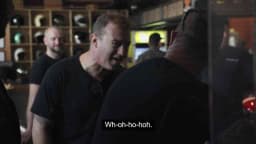
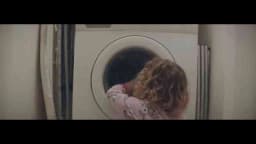
Cyberbullying Hurts Too is a 2012 Australian public-interest film by Magnum Opus that uses three short dramatic executions to confront the real-world pain of

Cyberbullying Hurts Too Puts Australian Youth Safety on Screen
Cyberbullying Hurts Too is a 2012 Australian public-interest film campaign created by Melbourne agency Magnum Opus to draw attention to the real emotional and physical consequences of online bullying and to encourage viewers to share its message as widely as possible.
Published in October 2012, the campaign comprises three 20-second film executions titled "Pool," "Dam," and "Bathroom." Each short piece is set in a distinct physical location, using that contrast between the offline environment and the invisible cruelty of digital harassment to dramatise the harm cyberbullying causes young people. The campaign was created on behalf of the public-interest initiative named Cyberbullying, positioning it squarely within a growing wave of youth-safety advocacy work in Australia at a time when smartphones and social media were becoming ubiquitous among teenagers.
The campaign carries a single, unambiguous objective: make the harm of cyberbullying emotionally undeniable and prompt peer-to-peer sharing to extend its reach organically. By anchoring digital abuse in recognisable physical spaces, the work attempts to collapse the perceived distance between online words and offline suffering. In Australia, where public discourse around digital safety for young people was intensifying through 2012, the campaign entered a moment of genuine social urgency. The Clapboard Score for Cyberbullying Hurts Too is 60 out of 100, reflecting its clear strategic intent and disciplined format while acknowledging the absence of verified performance or distribution data.

Cyberbullying was a rapidly escalating concern for Australian young people, families, and policymakers in 2012. The Australian Human Rights Commission had already begun structured advocacy around online harassment, launching initiatives including its BackMeUp campaign to address bullying behaviour in digital spaces, according to Humanrights Gov Au. That institutional momentum created both a cultural opening and a strategic rationale for independent public-interest filmmaking to enter the conversation alongside government-led efforts.
The strategic insight driving Cyberbullying Hurts Too is straightforward but resonant: the word "cyber" creates psychological distance, allowing audiences to treat online cruelty as somehow less serious than its physical equivalents. By setting each of the three executions in a concrete physical location — a pool, a dam, a bathroom — Magnum Opus strips that distance away. The film format, constrained to 20 seconds per execution, enforces economy of message and respects the viewing habits of the younger demographic most affected by the issue. According to the Victorian Government's youth safety resources at Vic Gov Au, cyberbullying among young Australians spans platforms, is often anonymous, and carries serious psychological consequences, all of which the campaign's physical staging seeks to make visceral and undeniable.
Public-interest advertising in Australia during this period was funded largely by government bodies and charitable organisations rather than commercial advertisers, meaning campaigns of this kind competed for attention rather than shelf space. The absence of a single dominant rival campaign in the public record reflects how fragmented this advocacy landscape was in 2012, with numerous state, federal, and non-government organisations each running separate messaging rather than a unified national voice.
Pat Langton directed Cyberbullying Hurts Too, with additional creative credit given to Matt Langton. Production assistance was provided by VisualKin. The campaign consists of three 20-second film executions, each built around a single physical environment — a pool, a dam, and a bathroom — that serves as both literal setting and emotional metaphor for the isolation and danger that cyberbullying creates in young people's lives.
On screen, the executions place young subjects in environments associated with vulnerability: water, enclosed spaces, familiar domestic settings turned threatening by the weight of unseen digital cruelty. The brevity of each piece — 20 seconds — is itself a formal statement, mirroring the speed and disposability with which harmful messages are sent online while forcing the viewer to absorb their consequences in compressed, uncomfortable time. The choice of distinct physical locations across the three executions suggests a deliberate effort to show that cyberbullying follows its victims everywhere, not only into screens but into the spaces where young people seek ordinary pleasure or privacy.
Magnum Opus, operating from Melbourne, applied a documentary-adjacent aesthetic to the work, grounding what could have been a stylised PSA in the visual language of observed reality. This approach aligns with a broader tradition in Australian public-service filmmaking that prioritises emotional authenticity over production spectacle. The campaign's single listed media asset and its origins as a submitted film entry suggest a lean production model consistent with independent advocacy work, where craft is deployed in service of message rather than production scale.
No verified performance data for Cyberbullying Hurts Too is publicly available. No published campaign-specific metrics exist covering reach, view counts, sharing behaviour, or measurable behavioural change among Australian youth audiences. No verifiable coverage has been located in trade publications including Campaign, Ad Age, Adweek, The Drum, or Contagious. No awards have been confirmed at Cannes Lions, the Effies, The One Show, D&AD, the Clios, the Webby Awards, or WARC Awards.
Structurally, however, the campaign demonstrates several characteristics associated with effective public-interest communication. The three-execution format distributes emotional burden across distinct scenarios, reducing the risk of a single creative approach failing to connect with its audience. The 20-second runtime is calibrated for social sharing, the campaign's stated distribution mechanism, and the directive to share was embedded in the campaign's intent from the outset. According to Stopbullying Gov, awareness-raising campaigns that create emotional identification with victims are among the more effective formats for shifting attitudes toward bullying behaviour, a benchmark that Cyberbullying Hurts Too's physical-world framing is designed to meet.
The campaign's absence from the documented mainstream press record may reflect the realities of independent public-interest production in Australia in 2012, where distribution depended heavily on organic sharing rather than paid media. Its structural effectiveness remains a reasonable inference; its demonstrated impact remains unverified.
Cyberbullying Hurts Too is a 2012 Australian public-interest film campaign created by Melbourne agency Magnum Opus. It comprises three 20-second executions titled Pool, Dam, and Bathroom, each designed to make the emotional harm of cyberbullying physically tangible and to encourage viewers across Australia to share the films widely.
Pat Langton directed the campaign, with additional creative credit given to Matt Langton. Production assistance was provided by VisualKin. The work was created by Magnum Opus, a Melbourne-based agency, and published in Australia in October 2012 as a public-interest initiative addressing online bullying among young people.
The campaign featured three 20-second film executions titled Pool, Dam, and Bathroom. Each placed young subjects in distinct physical environments to dramatise how cyberbullying follows its victims beyond digital spaces into everyday life, reinforcing the campaign's central argument that online harm causes real, offline suffering.
No verified awards for Cyberbullying Hurts Too have been confirmed. No recognition has been documented at Cannes Lions, the Effies, The One Show, D&AD, the Clios, the Webby Awards, or WARC Awards. The campaign was an independent public-interest film submitted in Australia in October 2012 by Magnum Opus.
The physical settings were a deliberate strategic choice to close the perceived distance between online cruelty and real-world harm. By placing victims in a pool, dam, and bathroom, the campaign argued that cyberbullying does not stay on screen — it follows young Australians into every space of their daily lives.
In Australia, 2012 saw intensifying institutional focus on digital safety for young people. According to humanrights.gov.au, the Australian Human Rights Commission was actively developing advocacy around online harassment during this period. This environment gave independent public-interest films like Cyberbullying Hurts Too a socially urgent backdrop and a receptive, if fragmented, advocacy landscape.
.webp)
Creative Collaboration Platform: The Backbone of Modern Creative WorkWhat is a creative collaboration platform?Clapboard defines a creative collaboration platform as the operational core for today’s distributed creative teams. This is not a collection of digital collaboration tools stitched together; Clapboard’s system


Understanding the Creative Production MarketplaceWhat is a Creative Production Marketplace?Clapboard defines a creative production marketplace as a structured ecosystem where brands, agencies, and production talent converge to execute video, advertising, and branded content at scale. Unlike the legacy agency or freelanREAD FULL ARTICLE

The Urgent Need for a Creative Production Operating SystemWhy Traditional Creative Production Models Break DownClapboard sees the creative production landscape shifting under pressure. Content velocity is no longer a buzzword—it’s a mandate. Modern advertising demands relentless output across dozens of channels, each wREAD FULL ARTICLE