 ARCHIVE
How Dairy Farmers of Canada Made Milk Cool for Teenagers
How Dairy Farmers of Canada Used Animated Mini-Commercials to Make Milk Cool Dairy Farmers of...
Nabob Defends Simple Coffee With Save The Pumpkins
Save The Pumpkins is a 2015 Canadian film campaign created by Taxi 2 for Nabob that positions the coffee brand as a defender of simple, traditional coffee against the rise of heavily flavoured and customised coffee drinks, using seasonal pumpkin-spice culture as its central foil, according to Aimoviequotes.
Published in September 2015, the campaign arrived at a moment calculated for maximum cultural relevance. Autumn in Canada is synonymous with pumpkin-spice everything, and Nabob — owned at the time by Kraft Canada — chose that precise window to draw a clear line between what it considered real coffee and the flavoured alternatives crowding the category. The campaign extended Nabob's established "Respect the Bean" brand platform, translating a broader philosophy into a timely, single-minded creative execution. As reported in a Canadian Grocer article titled "Don't mess with the bean," this platform framed Nabob as the voice of coffee purists, a positioning the brand leaned into with deliberate consistency, according to Canadiangrocer.
The campaign consists of one film media asset, produced for the Canadian market. Its strategic timing in September placed it squarely at the beginning of pumpkin-spice season, inviting Canadians to reconsider what they were actually putting in their cups. Nabob's message was not merely a product claim but a provocation — an invitation to side with the bean over the blend. The Clapboard Score for Save The Pumpkins is 69 out of 100, reflecting a campaign with a clear strategic anchor and culturally timed creative, executed within a tightly defined single-film format.
Nabob entered 2015 in the middle of a deliberate strategic repositioning. The brand, then part of Kraft Canada, began developing a new national campaign in late 2014 that included Quebec for the first time in approximately ten years — a significant geographic expansion that signalled the scale of ambition behind the refresh. The 2015 campaign strategy positioned Nabob explicitly as "simple pure coffee," a direct counterpoint to a category moving rapidly toward customisation, flavour layering, and seasonal novelty.
The Canadian coffee market provides the essential context, according to Researchandmarkets. As reported by Canadian Grocer, the packaged coffee category in Canada is described as especially competitive and lucrative, with major participation from brands including Kraft, Starbucks, Tim Hortons, Second Cup, and McDonald's. Within that landscape, the rise of flavoured and specialty coffee drinks represented both a commercial threat and a creative opportunity. By framing pumpkin-spice culture as something the pumpkin itself needed saving from, Nabob recast its own simplicity as a virtue rather than a limitation, addressing a consumer who had grown quietly fatigued by novelty.
The strategic rationale behind Save The Pumpkins rested on a tension that was real and observable in the Canadian market: the gap between coffee-as-ritual and coffee-as-confection. Nabob's choice to dramatise that gap through humour and seasonal specificity rather than earnest product demonstration reflected a mature understanding of how Canadian coffee drinkers actually talked about their preferences. The campaign was not a continuation of a long-running Taxi 2 series but a targeted execution within the 2015 strategic shift, designed to land a single sharp point at the moment it would resonate most.
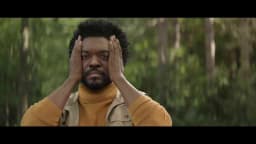
Save The Pumpkins takes its creative premise seriously enough to give it a cause-campaign structure. The film presents pumpkins as victims of their own cultural association with spiced coffee drinks, framing the beverage trend as something that has diminished the pumpkin's dignity and, by extension, coffee's integrity, according to Pdfcoffee. Nabob positions itself as the rescuer — the brand that keeps coffee honest by keeping it simple. The on-screen execution presents pumpkins as sympathetic subjects caught up in a flavour trend that has little to do with actual coffee, with the film using that conceit to argue for a return to the unadorned bean.
Nabob's television advertising across the 2015 campaign presented customised coffee drinks with a pointed editorial perspective, using the "Respect the Bean" platform to anchor each creative execution in the same philosophical stance. Save The Pumpkins extended that logic into seasonal territory, applying the platform's core argument to the most visible flavour trend of the autumn calendar.
The campaign was produced by Taxi 2, the agency responsible for the broader 2015 Nabob repositioning. Creative credits for Save The Pumpkins include Jeff MacEachern and Jason Kerr, who served in creative roles on the campaign, alongside Marko Pandza and Joshua Cox. Christine Michalejko also contributed to the production. Per markopandza.com, Marko Pandza is documented in connection with this work. The creative team's decision to route a coffee brand argument through a mock-humanitarian frame — saving the pumpkin from itself — gave the campaign a comic register that suited the lightness of the subject while keeping the brand's underlying seriousness about coffee craft intact.
No verified performance data for Save The Pumpkins is publicly available. No verifiable coverage of the campaign has been identified in trade publications including Campaign, Ad Age, Adweek, The Drum, or Contagious, and no accessible social commentary data has been identified from platforms including Twitter/X, Reddit, LinkedIn, or YouTube.
Structural analysis of the campaign, however, points to several factors that would have supported its effectiveness in the Canadian market. The September 2015 release date placed the film at the peak of pumpkin-spice cultural conversation, maximising the relevance window for a single-asset campaign. The cause-campaign format, using mock-advocacy to deliver a brand argument, is a creative structure with demonstrated capacity to generate earned attention — particularly when it targets a cultural moment that audiences are already discussing. By attaching Nabob's "Respect the Bean" platform to that moment, the campaign gave the brand a legible, repeatable point of view rather than a one-off seasonal execution.
The campaign's geographic scope — the full Canadian market, including Quebec for the first time in roughly a decade — also suggests that Kraft Canada viewed the 2015 repositioning as a meaningful commercial commitment rather than a tactical add-on. Within that context, Save The Pumpkins functioned as a cultural wedge: a single, sharply timed film designed to make Nabob's brand position feel timely, specific, and worth remembering. The Clapboard Score of 69 out of 100 reflects the campaign's clear strategic logic and timed relevance, balanced against the constraints of a single-film format with limited documented reach data.
Save The Pumpkins is a 2015 Canadian film campaign by Nabob and Taxi 2 that argues for simple, traditional coffee over heavily flavoured alternatives. Using pumpkin-spice culture as its target, the campaign extends Nabob's Respect the Bean platform by framing the brand as a defender of honest, unadulterated coffee.
Save The Pumpkins was created by Taxi 2 for Nabob in 2015. Creative contributors include Jeff MacEachern, Jason Kerr, Marko Pandza, Joshua Cox, and Christine Michalejko. The campaign was produced as part of a broader national repositioning of the Nabob brand developed by Kraft Canada beginning in late 2014.
Save The Pumpkins was published in Canada in September 2015. The timing was deliberate, placing the campaign at the peak of autumn pumpkin-spice cultural conversation to maximise relevance and contrast Nabob's simple coffee positioning against the season's most visible flavoured-drink trend.
Respect the Bean is Nabob's brand platform positioning the coffee as simple and pure, as discussed in Canadian Grocer. Save The Pumpkins is one execution within that platform, applying its core argument to pumpkin-spice culture and using seasonal humour to reinforce Nabob's stance against heavily customised coffee drinks.
Save The Pumpkins holds a Clapboard Score of 69 out of 100. The score reflects the campaign's well-defined strategic rationale and culturally timed creative execution, set against the limitations of a single-film format and the absence of publicly verified performance or reach data for the Canadian market.
.webp)
Creative Collaboration Platform: The Backbone of Modern Creative WorkWhat is a creative collaboration platform?Clapboard defines a creative collaboration platform as the operational core for today’s distributed creative teams. This is not a collection of digital collaboration tools stitched together; Clapboard’s system


Understanding the Creative Production MarketplaceWhat is a Creative Production Marketplace?Clapboard defines a creative production marketplace as a structured ecosystem where brands, agencies, and production talent converge to execute video, advertising, and branded content at scale. Unlike the legacy agency or freelanREAD FULL ARTICLE

The Urgent Need for a Creative Production Operating SystemWhy Traditional Creative Production Models Break DownClapboard sees the creative production landscape shifting under pressure. Content velocity is no longer a buzzword—it’s a mandate. Modern advertising demands relentless output across dozens of channels, each wREAD FULL ARTICLE