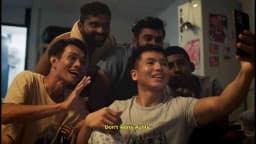
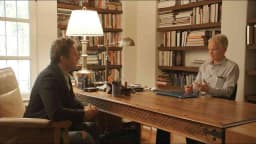
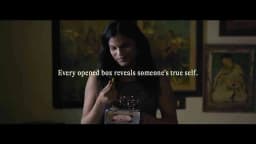
The campaign "Together, we’re better without litter" by the Public Hygiene Council aims to reinforce the collective responsibility of maintaining public cleanliness in Singapore. The brand proposition centers on the idea that communal effort in proper waste disposal not only benefits the individual but improves the environment for everyone, promoting a shared sense of pride and accountability. This promise underscores a simple yet powerful value: that small personal actions, like binning trash and keeping public spaces tidy, contribute to a better community experience.
From a market strategy perspective, the campaign employs a documentary and social experiment genre to engage viewers by reflecting real-life behaviors and social norms. By showcasing authentic interactions or experiments related to littering, it taps into social conformity and peer influence as motivators for behavioral change. The choice to highlight collective action addresses a cultural insight specific to Singapore’s emphasis on communal harmony and public cleanliness. The campaign’s message is direct and inclusive, encouraging everyone to participate in maintaining public hygiene, thus fostering a sense of unity. Social media elements like the hashtag #KeepSGClean help amplify the message and encourage audience participation beyond the film medium. Overall, the campaign connects with the public by leveraging social responsibility and community values to influence daily habits, aiming to create lasting behavioral shifts in waste management practices.
FORMAT#1 DEMONSTRATION — Directly shows how a product works and highlights its benefits.
This campaign fits the Demonstration format as it is a public interest film, with a documentary/social experiment genre, explicitly communicating both the action (“bin our trash and help keep tables clean”) and its direct social benefit (“everyone wins!”). The narrative and metadata suggest a visual, behavior-oriented approach, likely showing people cleaning up after themselves to reinforce pro-social action without dramatization, problem-symbolizing, or story-driven conflict. The emphasis is on demonstrating correct behavior in real contexts, aligning with Demonstration’s straightforward show-how technique.
ADVERTISING FORMATS EXPLAINED: https://www.clapboard.com/blog/branding-and-advertising/brand-strategy/12-advertising-creative-formats
1. Keep Singapore Clean Movement – Positioned as the nation’s grassroots initiative promoting civic responsibility and environmental cleanliness through community engagement and education, leveraging volunteerism and public partnerships to foster a collective sense of ownership over public spaces.
2. National Environment Agency (NEA) – Positioned as the government authority enforcing regulations and policies related to public cleanliness and litter control, focusing on compliance, fines, and infrastructure to maintain Singapore’s reputation as a clean and green city.
3. Zero Waste Singapore – Positioned as a sustainability-driven organization emphasizing waste reduction through education, behavior change, and circular economy principles to minimize litter and promote environmentally conscious lifestyles.
4. Singapore Environmental Council (SEC) – Positioned as a non-profit advocating environmental consciousness and sustainable practices, using certification programs and public campaigns to drive awareness and responsible waste management in the community.
5. Cleaner Singapore Campaign – Positioned as a recurring public outreach program under government auspices that uses multimedia and community events to raise awareness on littering, aiming to cultivate habitual cleanliness and social norms against littering.
Q: What is Together, we’re better without litter about?
A: Together, we’re better without litter is a 2021 public interest campaign created by Wunderman Thompson for the Public Hygiene Council in Singapore. Designed for the film medium, the campaign addresses the issue of public cleanliness by encouraging citizens to bin their trash and keep communal spaces tidy. Its central creative idea is to position proper waste disposal as a shared responsibility that benefits everyone, fostering a sense of community pride and accountability. The campaign leverages a documentary and social experiment approach to reflect real-life behaviors and drive home the importance of everyday actions in maintaining Singapore’s reputation for cleanliness.
Q: What creative device does Together, we’re better without litter use?
A: Together, we’re better without litter employs the Demonstration format, as classified by Clapboard’s 12-format taxonomy. This approach directly shows the desired behavior—binning trash and keeping tables clean—within real-life contexts, highlighting the tangible social benefits of these actions. The campaign’s documentary and social experiment genre reinforces its message by capturing authentic interactions and encouraging viewers to emulate pro-social habits. By focusing on straightforward demonstration rather than dramatization or narrative conflict, the campaign effectively communicates its call to action and makes the expected behavior both visible and accessible to its audience.
Q: What is the campaign proposition for Together, we’re better without litter?
A: The campaign proposition for Together, we’re better without litter centers on reinforcing the collective responsibility of maintaining public cleanliness in Singapore. The Public Hygiene Council positions the campaign to speak directly to Singaporeans, urging them to see proper waste disposal as a communal act that enhances the environment for all. By tapping into the nation’s cultural emphasis on harmony and shared spaces, the campaign makes the case that small, individual actions—like binning trash and keeping public areas clean—are essential to a better community experience. This message is designed to inspire participation and foster a sense of unity around public hygiene.
Q: How does Together, we’re better without litter rank in Clapboard's archive?
A: Together, we’re better without litter holds a Clapboard Campaign Score of 63/100 in Clapboard’s global ad archive. This score reflects the campaign’s creative ambition, execution quality, and cultural relevance within the public interest category.
Q: Who are the competitors in Public Hygiene Council's category?
A: In the public cleanliness and environmental responsibility sector, the Public Hygiene Council competes with initiatives such as the Keep Singapore Clean Movement, which mobilizes grassroots volunteerism and community engagement; the National Environment Agency, which enforces regulations and infrastructure for cleanliness; Zero Waste Singapore, which advocates for waste reduction and circular economy principles; the Singapore Environmental Council, which drives sustainable practices and public awareness; and the Cleaner Singapore Campaign, a recurring government-backed outreach program cultivating habitual cleanliness and anti-littering social norms. Each occupies a distinct position in shaping Singapore’s public hygiene landscape.



.webp)