Twin Toes and Capitane Records launched Lost in Playlists in Belgium in 2021, turning 33 Spotify editorial playlist names into the lyrics of a debut indie pop

Twin Toes Built a Spotify Playlist Into a Debut Single
Lost in Playlists is a 2021 Belgian music-marketing campaign by indie pop duo Twin Toes and Capitane Records, created with agency Mortierbrigade, in which 33 official Spotify editorial playlist names were woven into the lyrics and visual identity of the duo's debut single to attract the attention of Spotify's human editorial curators.
Twin Toes launched the campaign in Belgium in September 2021 as the duo's very first public release. The objective was precise: to stand out among the approximately 60,000 tracks uploaded to Spotify every single day and earn placement on the platform's coveted editorial playlists — the hand-curated selections that sit apart from algorithmic recommendations and user-generated collections. Rather than simply pitching a song through Spotify for Artists and hoping curators would notice, Twin Toes inverted the entire logic of playlist pursuit. As Antoine Geluck of the duo explained to Pub Be on 21 September 2021, the pair realised that by placing several playlist names one after another, they could construct sentences and tell a coherent story. The result was a song built not around invented imagery but around the actual names of playlists such as "Lost in the Woods," "Happy Beats," and "Wake Up and Smell the Coffee."
The campaign operated as a single unified media asset — one music video released simultaneously as a creative and commercial statement. In Belgium, where independent artists face the same fierce global competition for algorithmic and editorial visibility as anywhere else, the campaign positioned Twin Toes and Capitane Records as acts willing to reimagine music promotion from the ground up. The Clapboard Score for Lost in Playlists is 73 out of 100, reflecting strong conceptual originality and craft coherence across a debut release with no prior campaign lineage to build on.
 ARCHIVE
Spotify's editorial playlists represent a singular opportunity for independent artists. Unlike algorithmic playlists generated by platform data or user-created collections assembled by listeners, editorial playlists are built entirely by hand — human curators at Spotify listen to submissions, evaluate fit, and make placement decisions track by track. For a brand-new indie pop act without an established fanbase, a single editorial placement can deliver millions of streams and new followers in days.
The scale of the competitive environment makes that prize extraordinarily difficult to reach. With around 60,000 new releases arriving on Spotify daily, standing out in a curator's queue requires more than a well-produced track. Twin Toes and Mortierbrigade identified this structural tension — the gap between the volume of music competing for attention and the strictly human, taste-driven nature of editorial curation — as the strategic opening for Lost in Playlists. Rather than conforming to the standard pitch mechanics available through the Spotify for Artists platform, the campaign made the curation system itself the creative subject.
The broader music industry context in Belgium and globally reinforced the urgency of that positioning. According to the IFPI, streaming revenue totalled US$16.9 billion in 2021, representing 65 percent of all recorded-music revenue that year, with paid-subscription streaming growing 24.3 percent year-over-year. For independent labels such as Capitane Records operating in a market where streaming dominance is total, playlist placement is not a vanity metric — it is a primary discovery mechanism. The strategy behind Lost in Playlists acknowledged that reality directly, turning the competitive anxiety of playlist culture into the creative foundation of an entire campaign.
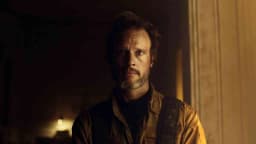
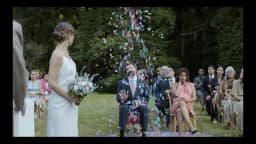
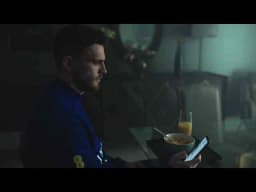
The music video for Lost in Playlists was directed by Simon Vanrie and produced by Bounce Rocks. The creative concept demanded that every element of production serve the central conceit: 33 official Spotify playlist names, embedded in sequence within the song's lyrics, each one also recreated visually on screen in the distinct aesthetic of its source playlist.
On screen, the video moves through a series of scenes and visual identities drawn directly from the referenced Spotify playlists. Each playlist name that appears in the lyrics is rendered in its recognisable graphic style, so the viewer experiences both a narrative sung by Twin Toes — Antoine Geluck and Nicolas Mouquet — and a gallery of Spotify's own visual language. The effect is simultaneously a love letter to playlist culture and a pointed satire of it, the camera cycling through the moods and colour palettes that Spotify's design team uses to signal "chill," "workout," or "focus" to millions of listeners.
The songwriting itself was a structural puzzle. As Nicolas Mouquet told PUB.be on 21 September 2021, assembling 33 playlist names into coherent, emotionally resonant lyrics was demanding work — but the duo believed they had succeeded in writing something genuinely poetic from material that is not, by its nature, poetic. Mouquet was also clear that Lost in Playlists is not purely a marketing exercise: the song tells the story of a heartbreak that someone attempts to drown in music, giving the playlist references an emotional weight that transforms them from clever references into lived experience. The dual function — conceptual hook and sincere songwriting — is central to why the campaign holds together as both music and advertising.
The campaign launched in Belgium in September 2021 as Twin Toes' debut single, meaning no prior performance benchmarks existed against which to measure uplift. No independently verified streaming figures, playlist placement data, or audience growth numbers for Lost in Playlists are publicly available from named third-party sources at the time of this case study's publication.
What the structural evidence does confirm is that the campaign generated press coverage in Belgium at launch, with PUB.be publishing statements from both members of Twin Toes on 21 September 2021 — the same day the video went live. For a debut release on an independent label, earned media coverage in a specialist advertising and communications publication on day one is a meaningful indicator of campaign cut-through beyond the music press alone.
The conceptual architecture of Lost in Playlists is designed for the precise discovery dynamic it targets. By placing 33 Spotify editorial playlist names inside the song and its video, Twin Toes and Mortierbrigade ensured that any curator encountering the track would recognise their own editorial world reflected back at them — a form of audience-specific creative targeting that no paid placement or algorithmic boost can replicate. In a Belgian music market where independent acts compete against global major-label releases for the same editorial slots, that degree of creative specificity represents a structurally sound approach to visibility. The Clapboard Score of 73 out of 100 reflects a campaign that executes its concept with discipline and delivers genuine craft, even as long-term commercial outcomes remain unverified by public data.
Lost in Playlists is a 2021 Belgian music campaign created by indie pop duo Twin Toes and Capitane Records with agency Mortierbrigade. The duo embedded 33 official Spotify editorial playlist names into the lyrics and visuals of their debut single, aiming to attract the attention of Spotify's human editorial curators through the song itself.
Twin Toes constructed the song's lyrics using 33 official Spotify playlist names in sequence. As Antoine Geluck explained to PUB.be in September 2021, placing playlist names consecutively allowed the duo to build sentences and tell a story, turning titles such as "Lost in the Woods" and "Happy Beats" into emotionally coherent indie pop songwriting.
Simon Vanrie directed the Lost in Playlists music video for Twin Toes and Capitane Records. Production was handled by Bounce Rocks. The video recreated the distinct visual identities of all 33 referenced Spotify playlists on screen, pairing each lyrical reference with its corresponding playlist aesthetic throughout the film.
Spotify editorial playlists are curated entirely by human editors, not algorithms. For a brand-new indie pop duo in Belgium competing against roughly 60,000 daily Spotify uploads, an editorial placement delivers direct, large-scale audience discovery. Mortierbrigade's strategy made the curation system itself the creative subject to reach those curators memorably.
The Lost in Playlists campaign by Twin Toes and Capitane Records holds a Clapboard Score of 73 out of 100. The score reflects strong conceptual originality and craft coherence across a debut single with no prior campaign lineage, recognising the campaign's disciplined execution of an inventive music-marketing concept in the Belgian market.
Lost in Playlists was Twin Toes' debut single, released in Belgium on 21 September 2021 through Capitane Records. The campaign served as both the duo's introduction to the public and a fully formed creative statement, with Mortierbrigade developing the concept to position the brand-new indie pop act within Spotify's editorial discovery ecosystem from day one.
.webp)
Creative Collaboration Platform: The Backbone of Modern Creative WorkWhat is a creative collaboration platform?Clapboard defines a creative collaboration platform as the operational core for today’s distributed creative teams. This is not a collection of digital collaboration tools stitched together; Clapboard’s system


Understanding the Creative Production MarketplaceWhat is a Creative Production Marketplace?Clapboard defines a creative production marketplace as a structured ecosystem where brands, agencies, and production talent converge to execute video, advertising, and branded content at scale. Unlike the legacy agency or freelanREAD FULL ARTICLE

The Urgent Need for a Creative Production Operating SystemWhy Traditional Creative Production Models Break DownClapboard sees the creative production landscape shifting under pressure. Content velocity is no longer a buzzword—it’s a mandate. Modern advertising demands relentless output across dozens of channels, each wREAD FULL ARTICLE