Volkswagen's 'Bathroom, Dressing Table, Closet' campaign by AlmapBBDO Argentina dramatises blind-spot danger through suspense-driven films in domestic settings.

Volkswagen Side Assist Turns Everyday Fear Into a Blind-Spot Warning
Volkswagen's "Bathroom, Dressing Table, Closet" is a Scribd.clapboard.com/blog/producing/development/film-pre-production-steps">three-film campaign produced in Argentina in June 2013 by AlmapBBDO to promote Side Assist, Volkswagen's blind-spot warning technology, using suspense set in intimate domestic spaces to dramatise the hidden danger of vehicles a driver cannot see.
The campaign arrives at a moment when automotive safety technology was moving from premium-vehicle exclusivity toward broader accessibility, and Volkswagen Argentina needed a creative vehicle that could make an abstract sensor system feel viscerally urgent to everyday drivers, according to YouTube. Rather than demonstrating Side Assist through conventional road-test footage, the campaign reframes the core anxiety of the blind spot as something audiences already understand intuitively: the fear of an unseen presence in a private space. Three separate films, each named for a domestic setting, carry this single idea across the suite of assets.
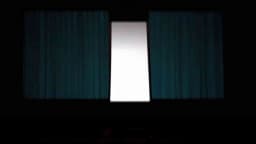
In each film, the scenario unfolds inside a home environment — a bathroom, a dressing table, and a closet — where a character is alone and unaware that someone or something lurks just outside their field of vision. The tension builds from the same cognitive experience that makes blind-spot collisions dangerous: the subject does not turn, does not check, and therefore does not see what is there. The resolution in each case draws the connection back to Side Assist and its role in alerting drivers to what they cannot perceive without assistance.
The campaign consists of three media assets in film format and was created for the Argentine market, positioning Volkswagen's safety technology suite as a response to a universal human vulnerability rather than a technical specification. It carries a Clapboard Score of 66 out of 100, reflecting solid craft and a coherent creative idea within a competitive automotive advertising landscape, according to Bestsellingcarsblog.
AlmapBBDO identified a central strategic tension in promoting Volkswagen Side Assist in Argentina: the technology's value is invisible by design. Side Assist works precisely when nothing goes wrong, which makes conventional demonstration advertising a poor fit. The agency's answer was to translate the blind-spot experience into a register audiences already associate with danger — the suspense film — using domestic settings that require no automotive context to feel threatening.
The creative premise operates on a simple but reliable psychological mechanism. When a person in a bathroom, at a dressing table, or in front of a closet fails to notice a hidden presence, the audience feels the anxiety of that ignorance on their behalf. Transposing that same cognitive structure onto the driving experience requires almost no explanatory work. The films do not need to show a highway or a lane change; the feeling of unseen proximity does the argumentative work itself.
This approach reflects a broader strategic maturity in automotive safety advertising, where brands increasingly compete not on feature lists but on the emotional resonance of the problem they solve. In Argentina, the automotive sector in 2013 operated within a market navigating significant macroeconomic pressures, with currency controls and import restrictions shaping the competitive environment across all vehicle segments, as reported by Roland Berger in their regional automotive analysis, according to Autoweek. Within that context, campaigns that could build genuine brand preference through emotional connection rather than price-led messaging held particular strategic value for manufacturers like Volkswagen seeking to reinforce long-term technology and safety positioning.
The campaign represents a continuation of Volkswagen's established technology-and-safety direction rather than a departure from it, extending a long-running brand posture into a fresh creative execution tailored to the Argentine market's cultural appetite for cinematic storytelling.
AlmapBBDO executed the "Bathroom, Dressing Table, Closet" campaign through Paranoid BR, the production company responsible for bringing the three-film suite to screen. Direction was credited to Dulcídio Caldeira, whose approach shaped the distinctive suspense register that defines each asset.
Each of the three films places a character alone in a familiar domestic interior. In the bathroom scenario, the character occupies a private space while remaining wholly unaware of a presence just beyond the edge of their perception. The dressing table film repeats this structural logic in a different room, staging the same cognitive blindness in front of a mirror that reveals only what the character already faces. The closet film extends the metaphor into an enclosed space where proximity is intimate and the unseen presence is closest. In every case, the camera withholds information from the protagonist in the same way a driver's blind spot withholds it from them, and the resolution makes that parallel explicit by connecting the moment of near-discovery to the Volkswagen Side Assist warning system.
The creative direction of the campaign was overseen by general creative directors Marcello Serpa and Luiz Sanches, working alongside creative directors Renato Simões, Marcos Medeiros, André Kassu, and Bruno Prosperi. The team's decision to pursue suspense as the primary register rather than shock or comedy aligns with a cinematic tradition in Argentine advertising that prizes narrative tension and restraint over spectacle, according to Thecreativesroom. The three-film structure allows each domestic setting to function as a self-contained story while reinforcing the same underlying idea cumulatively, so audiences who encounter more than one film experience the concept with increasing clarity and emotional depth.
No verified performance data for the "Bathroom, Dressing Table, Closet" campaign is publicly available. No recoverable trade-press reviews from publications including Campaign, Ad Age, Adweek, The Drum, or Contagious have been identified in available sources, and no documented awards recognition for this specific campaign has been confirmed.
Structural analysis of the campaign, however, points to several elements that support effectiveness against its stated objective. The decision to use three separate films rather than a single execution multiplies the number of audience touchpoints and allows the core Side Assist message to reach viewers through three emotionally distinct but conceptually unified scenarios. This redundancy is a sound strategy for a technology product whose benefit is experiential rather than visible, since repeated exposure to the same underlying feeling — the anxiety of unseen proximity — reinforces the salience of the problem the product solves.
The domestic setting choice also reduces the cognitive load on the audience. By staging the blind-spot metaphor in spaces audiences already associate with vulnerability and privacy, AlmapBBDO removes the need for automotive literacy as a prerequisite for engagement. The campaign can reach drivers and non-drivers alike, expanding its potential influence on household purchase decisions in the Argentine market. The Clapboard Score of 66 out of 100 reflects a campaign that executes its creative concept with competence and clarity, while leaving room for the kind of measurable cultural impact that would push a score higher.
The campaign promotes Volkswagen Side Assist, a blind-spot warning technology, through three suspense-driven films set in domestic spaces. Each film places a character unaware of a hidden presence nearby, mirroring the experience of a driver who cannot see a vehicle in their blind spot, then connects the feeling to Side Assist's alert function.
AlmapBBDO created the campaign in Argentina in June 2013. General creative directors Marcello Serpa and Luiz Sanches oversaw the work, with creative directors Renato Simões, Marcos Medeiros, André Kassu, and Bruno Prosperi contributing to the campaign's development alongside production company Paranoid BR.
Dulcídio Caldeira directed the three films for the campaign, working through production company Paranoid BR. His direction shaped the suspense register that defines each asset, withholding visual information from the protagonist to replicate the cognitive experience of a driver's blind spot in a domestic setting.
The campaign advertises Volkswagen Side Assist, a blind-spot warning system that alerts drivers to vehicles they cannot see in adjacent lanes. The three films use suspense in everyday interior spaces to make this invisible technological benefit feel emotionally immediate and comprehensible to Argentine audiences without relying on road-test footage.
The Volkswagen "Bathroom, Dressing Table, Closet" campaign holds a Clapboard Score of 66 out of 100. The score reflects a coherent and competently executed creative concept that communicates Side Assist's benefit through an effective suspense metaphor, while falling short of the cultural impact that would push it into higher scoring territory.
.webp)
Creative Collaboration Platform: The Backbone of Modern Creative WorkWhat is a creative collaboration platform?Clapboard defines a creative collaboration platform as the operational core for today’s distributed creative teams. This is not a collection of digital collaboration tools stitched together; Clapboard’s system


Understanding the Creative Production MarketplaceWhat is a Creative Production Marketplace?Clapboard defines a creative production marketplace as a structured ecosystem where brands, agencies, and production talent converge to execute video, advertising, and branded content at scale. Unlike the legacy agency or freelanREAD FULL ARTICLE

The Urgent Need for a Creative Production Operating SystemWhy Traditional Creative Production Models Break DownClapboard sees the creative production landscape shifting under pressure. Content velocity is no longer a buzzword—it’s a mandate. Modern advertising demands relentless output across dozens of channels, each wREAD FULL ARTICLE