 ARCHIVE
Sanofi Turns Everyday Stress Into Opera with Drama Out of Nothing
How Sanofi and Publicis Romania Turned Minor Irritations Into MagneVie Drama Sanofi's "Drama Out of...
Gelomyrtol Tells a Respiratory Story Through Esmeralda
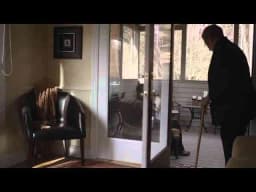
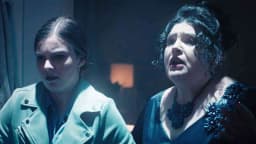
Gelomyrtol's Esmeralda campaign is a November 2014 pharmaceutical film produced in Lithuania by Milk agency, Vilnius, using a single narrative media asset to communicate the brand's positioning around respiratory health through character-driven storytelling rather than conventional product demonstration.
Gelomyrtol occupies the sinusitis, nasal congestion, and respiratory remedies space in the Lithuanian market. In November 2014, Milk agency delivered Esmeralda as a film — a format that sets it apart from the category's habitual reliance on animation, symptom charts, and clinical voiceovers. The campaign carries a Clapboard Score of 54 out of 100, reflecting a production ambition that exceeds the Lithuanian pharmaceutical advertising norm while stopping short of benchmark creative excellence.
The campaign's structure is defined by restraint. One media asset carries the entire communicative weight, a decision that concentrates creative intent and demands that the film itself sustain attention without the reinforcement of a broader multi-channel ecosystem. In Lithuania, where the pharmaceutical advertising landscape is shaped by regulatory convention and audience conservatism, the choice to invest in a single, narrative-led film represents a deliberate creative stance. Esmeralda, as a named character, anchors the campaign's identity — the name itself signals a departure from the generic brand-symptom-solution arc that dominates the category. The campaign was submitted to advertising archives more than ten years ago, according to adruby.com, and remains documented as a standalone creative record within the pharmaceutical film genre.
Milk agency, Vilnius, operates in a Lithuanian pharmaceutical advertising market constrained by both regulatory frameworks and audience expectations shaped by decades of functional, benefit-led messaging. Esmeralda represents a strategic pivot: rather than leading with symptom relief, the campaign leads with character — a narrative device that positions Gelomyrtol as a brand with emotional relevance, not merely clinical utility.
This strategy has precedent within Milk's own body of work for Gelomyrtol. The agency's earlier 2011 print campaign for the brand, documented by adruby.com, personified sinusitis as an unhealthy romantic relationship with the headline construction centred on the idea of breaking up with sinusitis. That campaign earned the Grand Prix and Gold Arrow at the Lithuanian advertising festival, according to adruby.com, establishing a creative lineage of humanising a respiratory condition. Esmeralda extends that lineage into the film medium, translating character metaphor from static print into moving narrative.
Competitors in the Lithuanian respiratory remedies space — including multinational over-the-counter brands such as Sinupret and broader cold and allergy remedy ranges — typically favour direct-response television formats that prioritise product shots and physician endorsements. Milk's decision to pursue a cinematic, character-named narrative for Gelomyrtol creates meaningful creative distance from these conventions. While no verified Lithuanian market share data for the respiratory remedies category in 2014 is publicly available, the broader strategic context is clear: a single high-craft film aimed at emotional differentiation is a considered response to a crowded, functionally similar competitive field.
Director Ricardo Maldonado helmed the Esmeralda film, bringing an international production sensibility to a Lithuanian pharmaceutical campaign. The choice of a director working through Cine70 Films and Prisma Producciones signals a production ambition that reaches beyond the domestic norm for the category, importing craft standards more commonly associated with consumer goods or prestige brand advertising.
Director of Photography Negro Valencia handled the film's visual language, while Producer Paola Pastrana and Executive Producer Carla Gabriela Salinas Avila managed the production infrastructure, according to adruby.com. The international composition of the production team — spanning Lithuania and the production companies Cine70 Films and Prisma Producciones — is itself a creative statement. It suggests that Milk agency and Gelomyrtol were willing to invest in production quality that the Lithuanian pharmaceutical advertising market would not routinely demand or expect.
On the agency side, Executive Creative Director Rimantas Stanevicius and Creative Director Antonio Bechtle provided the strategic and creative direction, with Art Director Kostya Sen shaping the visual identity and Copywriter Vilius Gostevicius responsible for the narrative construction, as documented by adruby.com. Account Manager Juliana Spundova completed the core agency team. The name Esmeralda itself carries creative weight — it functions as the campaign's emotional anchor, giving the film a protagonist identity that pharmaceutical advertising rarely attempts. The single-asset format, confirmed by, places the full burden of communication on this one film, making the quality of its direction, photography, and narrative architecture the sole determinants of the campaign's effectiveness.
No verified performance data for the Esmeralda campaign is publicly available. No business results, sales lift, revenue change, or market-share movement attributable to the campaign have been documented in trade press, mainstream media, or academic literature, according to adruby.com and adsspot.me. The campaign does not appear in the records of major award shows including Cannes Lions, the Effies, The One Show, D&AD, the Clios, or the Webby Awards.
Structurally, the campaign's effectiveness argument rests on creative differentiation rather than measurable reach. A single film asset, produced to a standard that imports international direction and cinematography talent into the Lithuanian pharmaceutical space, functions as a brand-building instrument rather than a direct-response mechanism. The Clapboard Score of 54 out of 100 reflects this duality: the production ambition is genuine, the narrative device is coherent, but the absence of a broader media ecosystem and the lack of any documented audience or business response limit the case for broader creative impact.
The campaign's most defensible effectiveness claim lies in its creative lineage. Milk agency's prior Gelomyrtol work earned the Grand Prix and Gold Arrow at the Lithuanian advertising festival, according to adruby.com, establishing a brand platform capable of sustaining emotional, character-led campaigns. Esmeralda builds on that equity, even if its own impact remains unverified in the public record.
Gelomyrtol's Esmeralda is a pharmaceutical film campaign created by Milk agency in Vilnius, Lithuania, published in November 2014. It consists of a single narrative film asset built around a named character, representing a departure from conventional symptom-led pharmaceutical advertising in the Lithuanian market.
Ricardo Maldonado directed the Esmeralda film for Gelomyrtol, working through Cine70 Films and Prisma Producciones. Director of Photography Negro Valencia handled the film's visual craft. The international production team, documented by adruby.com, brought a level of cinematic ambition uncommon in Lithuanian pharmaceutical advertising of the period.
Milk agency, based in Vilnius, Lithuania, created the Esmeralda campaign for Gelomyrtol. The agency team was led by Executive Creative Director Rimantas Stanevicius and Creative Director Antonio Bechtle, with Art Director Kostya Sen and Copywriter Vilius Gostevicius, as documented by adruby.com.
Esmeralda did not win awards at major shows including Cannes Lions, the Effies, D&AD, or the Clios, according to available records. Milk agency had previously earned the Grand Prix and Gold Arrow at the Lithuanian advertising festival for earlier Gelomyrtol work, according to adruby.com, establishing a decorated creative relationship with the brand.
Gelomyrtol's Esmeralda holds a Clapboard Score of 54 out of 100. The score reflects genuine production ambition and a coherent narrative strategy within the Lithuanian pharmaceutical category, while noting the campaign's limited documented media reach and the absence of a verified public record of audience or business impact.
Esmeralda continues a creative strategy Milk agency established for Gelomyrtol in 2011, when a print campaign personifying sinusitis as an unhealthy relationship won the Grand Prix at the Lithuanian advertising festival, according to adruby.com. Esmeralda translates that character-led approach from print into the film medium for the first time.
.webp)
Creative Collaboration Platform: The Backbone of Modern Creative WorkWhat is a creative collaboration platform?Clapboard defines a creative collaboration platform as the operational core for today’s distributed creative teams. This is not a collection of digital collaboration tools stitched together; Clapboard’s system


Understanding the Creative Production MarketplaceWhat is a Creative Production Marketplace?Clapboard defines a creative production marketplace as a structured ecosystem where brands, agencies, and production talent converge to execute video, advertising, and branded content at scale. Unlike the legacy agency or freelanREAD FULL ARTICLE

The Urgent Need for a Creative Production Operating SystemWhy Traditional Creative Production Models Break DownClapboard sees the creative production landscape shifting under pressure. Content velocity is no longer a buzzword—it’s a mandate. Modern advertising demands relentless output across dozens of channels, each wREAD FULL ARTICLE